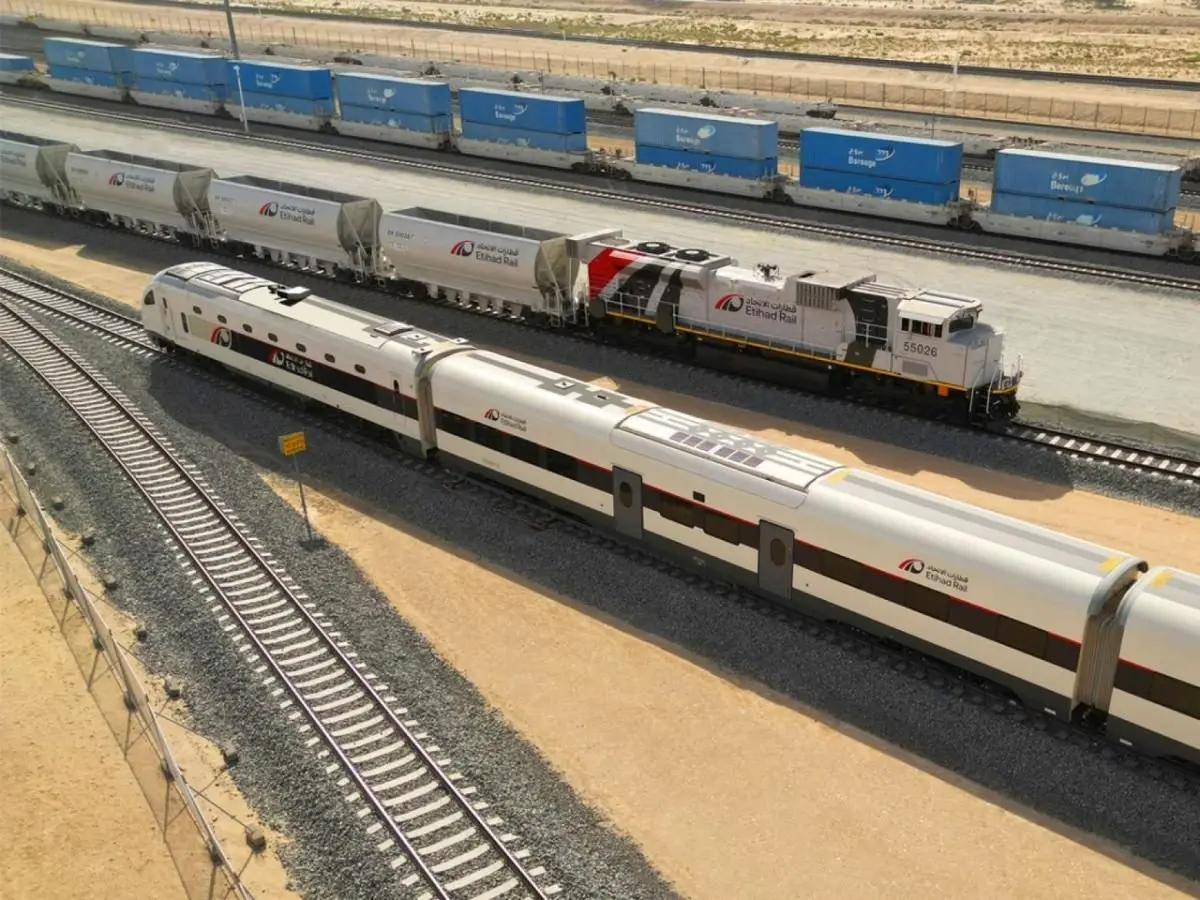
The Etihad Rail project is one of the most ambitious infrastructure developments in the Middle East, designed to reshape transportation and economic growth across the United Arab Emirates (UAE). Serving as the backbone of a national railway network, Etihad Rail connects major cities, ports, and industrial hubs while creating significant opportunities for logistics, tourism, and most importantly, the UAE real estate market. This mega-project is not just a transport system; it is a catalyst for urban expansion, investment growth, and sustainable development.
With its strategic importance, Etihad Rail is rapidly becoming a game-changer in how people and goods move across the UAE. At the same time, it is unlocking new real estate opportunities by boosting property values, enhancing accessibility, and attracting international investors.
The Vision and Mission of Etihad Rail
At its core, the Etihad Rail network reflects the UAE’s long-term vision to diversify its economy beyond oil and strengthen infrastructure. Launched in 2009, this project aims to connect all seven emirates through a 1,200-kilometer railway system, eventually linking the UAE with the wider GCC railway network.
The mission of Etihad Rail is to provide safe, efficient, and sustainable transportation while reducing carbon emissions and road congestion. This aligns with the UAE’s goals of sustainability under the UAE Net Zero by 2050 initiative.
Etihad Rail’s Route and Connectivity Across the UAE
The Etihad Rail route stretches from the western emirate of Fujairah on the Arabian Sea to the borders of Saudi Arabia and Oman, covering strategic cities like Abu Dhabi, Dubai, Sharjah, Ras Al Khaimah, and Fujairah. This makes it a central player in improving domestic and regional connectivity.
- Stage One: Focused on freight services, transporting sulfur from Shah and Habshan to Ruwais.
- Stage Two: Expands passenger and freight services across the emirates.
- Stage Three: Aims to integrate with the wider GCC, connecting Saudi Arabia, Oman, and potentially other Gulf states.
This connectivity is expected to revolutionize trade, tourism, and property development in previously underdeveloped areas.
Etihad Rail and Economic Growth
The Etihad Rail project is estimated to contribute AED 200 billion to the UAE’s economy by 2050. It enhances logistics efficiency by reducing transport costs and delivery times, making the UAE even more attractive for international trade.
For investors, the development of Etihad Rail ensures that industries like logistics, manufacturing, retail, and tourism will thrive, further boosting demand for residential and commercial properties around the railway network.
Real Estate Opportunities Emerging from Etihad Rail
One of the most exciting impacts of Etihad Rail is its influence on the real estate market. Areas along the railway’s path are seeing rising interest from both local and foreign investors.
1. Rising Property Values Near Stations
Properties located close to Etihad Rail stations are experiencing higher demand, similar to global trends where transport-linked developments increase property values. Areas in Abu Dhabi, Dubai, Sharjah, and Fujairah are witnessing a surge in real estate transactions.
2. Growth in Suburban Communities
The railway enhances accessibility, encouraging buyers and renters to consider suburban communities that were once seen as remote. This shift reduces congestion in city centers and promotes balanced urban development.
3. Commercial Real Estate Demand
With easier logistics, warehousing, retail, and office spaces are booming near Etihad Rail hubs. Companies benefit from reduced operational costs and increased accessibility for both employees and customers.
4. Tourism-Driven Developments
Tourist destinations like Fujairah and Ras Al Khaimah are expected to see higher footfall, driving demand for hotels, resorts, and holiday homes. This makes Etihad Rail a major driver of hospitality-related real estate investments.
Sustainability and Environmental Impact
The UAE government highlights Etihad Rail as a green alternative to road transport. It is projected to cut CO₂ emissions by 70-80% compared to trucks, reduce road accidents, and limit traffic congestion. This makes properties near the railway more appealing to environmentally conscious investors who value sustainable infrastructure.
Etihad Rail and International Investments
International investors see Etihad Rail as a sign of the UAE’s stability, growth, and forward-thinking infrastructure planning. Global developers are already eyeing mixed-use projects, industrial parks, and luxury residences around key stations. The railway strengthens the UAE’s image as a world-class investment hub.
Future of Etihad Rail and Real Estate Integration
As Etihad Rail progresses, more real estate developers will partner with the government to create transit-oriented developments (TODs). These will feature residential towers, retail spaces, offices, and entertainment hubs integrated with the railway system.
The UAE’s property market is expected to experience a steady boom, especially in Fujairah and Ras Al Khaimah, which will see significant urban growth due to their enhanced connectivity.
Challenges and Considerations
While the benefits of Etihad Rail are undeniable, there are challenges:
- Ensuring affordability of properties near stations.
- Maintaining balance between urban expansion and environmental sustainability.
- Managing the speed of development to prevent over-supply in the real estate sector.
By addressing these, the UAE can maximize the potential of this transformative project.
Conclusion
The Etihad Rail is more than just a transportation project—it is a transformational force reshaping the UAE’s economy and real estate market. By connecting emirates, boosting trade, supporting tourism, and promoting sustainable living, the railway is paving the way for a new era of growth.
For investors and developers, the opportunities are vast. Whether in residential housing, commercial projects, or tourism developments, the presence of Etihad Rail ensures long-term value and prosperity. As the project nears full completion, it will stand as a testament to the UAE’s vision of progress, connectivity, and sustainability.
FAQs
1. How will Etihad Rail impact property prices in the UAE?
Etihad Rail will increase property values near stations and along its route, making real estate investments in these areas more attractive.
2. When will Etihad Rail be fully operational for passengers?
Passenger operations are expected to launch in the near future as the project’s second phase is completed, connecting major UAE cities.
3. Is Etihad Rail connected to the GCC railway network?
Yes, Etihad Rail is part of the wider GCC railway project, which will eventually link the UAE with Saudi Arabia, Oman, and other Gulf states.